Tipy na výlet
Bečov nad Teplou
Hrad Bečov byl založen ve 14. století na důležité křižovatce zemských cest rodem pánů z Oseka. Největšího rozvoje doznal hrad v 15. a počátkem 16. století za držení Pluhů z Rabštejna, kteří velice zbohatli z těžby stříbra a cínu v okolí. Z té doby pochází renesanční Pluhovský palác. V době barokní byl postaven dolní zámek, který byl zpřístupněn veřejnosti v roce 1996. Celé panorama areálu je velice působivé. Gotický hrad je ale z důvodu rekonstrukčních prací pro veřejnost uzavřen. V prostorách hradu byl za dramatických okolností v roce 1985 nalezen románský relikviář sv. Maura, který patří k nejcennějším v Evropě. Relikviář je dokladem románského zlatnictví mimořádné výtvarné a řemeslné kvality a je jedinou památkou svého druhu na území českého státu. Je vystaven s unikátní doprovodnou expozicí v budově barokního zámku. Zde jsou také k vidění zachovalé interiéry z 19. století a zámecká expozice. Ze zahradních teras jsou úchvatné pohledy do údolí i na městskou památkovou zónu. Po prohlídce zámku se lze projít naučnou stezkou na šibeniční vrch-středověké popraviště a vychutnat si krásnou přírodu v okolí.
http://www.turistik.cz/cs/pruvodce/cil/hard-a-zamek-becov-nad-teplou
Mariánské Lázně
(vzdálenost: 25km)
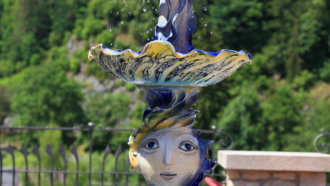
jsou druhými největšími českými lázněmi, s velkým bohatstvím minerálních pramenů. V roce 1866 byly Mariánské Lázně povýšeny na město a počátkem 20.století již patřily mezi nejvýznamnější evropská střediska. Hlavní lázeňskou promenádou a významnou stavební památkou je pseudobarokní litinová kolonáda z roku 1889. Velikou zajímavostí Mariánských Lázní je zpívající fontána, která se může pochlubit každou lichou hodinou hudební produkcí doplněnou ve 21 22 hodin scénickým osvětlením. Navštívit můžete také Miniaturpark, kde najdete miniatury architektonických skvostů České republiky.
http://marianske-lazne.turistik.cz/cz
Karlovy Vary
(vzdálenost: 25km)
české lázeňské město světového významu, do kterých se za odpočinkem, léčbou i pestrým kulturním životem sjíždí návštěvníci ze všech kontinentů. O mimořádné oblibě karlovarských promenád svědčí dlouhý seznam význačných hostů – za všechny jmenujme např. Goetheho, L. van Beethovena, R. Wagnera, N. V. Gogola.Určitě nezapomeňte navštívit: Vřídlo, Mlýnskou kolonádu, rozhlednu Diana, Jan Becher muzeum, Krajské muzeum
http://karlovy-vary.turistik.cz/cs
Lázně Kynžvart
(vzdálenost: 23km)
leží v chebském okrese Západočeského kraje, uprostřed trojúhelníku Karlovy Vary, Mariánské Lázně a Františkovy Lázně. Dominantou městečka je na svahu položená lázeňská čtvrť, která vděčí za svůj vznik třem darům přírody: blahodárnému klimatu, minerálním vodám a ložiskům slatiny v okolí. Do roku 1950 se zde po dobu skoro 100 roků léčili dospělí, nyní však jsou lázně určeny pro děti. Za návštěvu stojí určitě zámek Kynžvart.
http://www.turistik.cz/cs/pruvodce/cil/zamek-kynzvart
Klášter Teplá
(vzdálenost: 18km)
byl založen v roce 1193 blahoslaveným Hroznatou, českým šlechticem. Nejstarší, dodnes dochovanou, architektonickou částí je románsko-gotický trojlodní halový kostel Zvěstování Páně. Na přelomu 17. a 18. století postavil Kryštof Dientzenhofer na místě původních gotických budov, zničených požárem, barokní prelaturu a konvent (jižní křídlo). Hospodářské budovy vznikaly postupně v 15. – 19. století. Knihovna a muzeum (severní křídlo) jsou novobarokní, z let 1902 – 1910.
http://tepla-u-touzime.turistik.cz/cs
Hrad a město Loket
(vzdálenost: 15km)
vzniklo kolem roku 1240 za vlády krále Václava I. z předhradí pevného královského hradu stejného jména s románskou rotundou, zřejmě již ze třetí čtvrtiny 12. století, na výrazném ostrohu, sevřeném ohybem řeky Ohře. Hrad nabyl na významu zejména po roce 1230, kdy sem bylo přeneseno ze Sedlce sídlo krajského úřadu a tím i město Loket se povzneslo, protože hrad tvořil později spolu s městem jeden obranný celek. Vždyť i jediná městská brána byla střežena hradními many. Soustava manství, která se vytvořila kolem hradu za Přemysla Otakara II., vytvořila totiž z Loketska zvláštní útvar. Město se upevnilo za Přemyslovy vlády a hospodářsky těžilo z výhodné polohy na obchodní cestě vedoucí z Chebu a Kraslic do Prahy přes Žlutice či Kadaň.
http://loket.turistik.cz/cs
Pivovar a pivní lázně v Chodové Plané
(vzdálenost: 35km)
Jedná se o originální rekondiční lázeňskou terapii spojující uvolňující horkou koupel, pramen uzdravující minerální vody IL-SANO®, jedinečné tmavé Koupelové pivo® a omlazující účinky pivních kvasnic se směsí chmele a sušených léčivých bylin.
http://chodova-plana.turistik.cz/cs
Svatošské skály
(vzdálenost: 20km)
Skupina mohutných žulových skla, z níž se postupně vypreparovaly desítky skalních pilířů a sloupů různé velikosti, odjakživa podněcovala lidskou fantazii. Zpočátku to byli místní lidoví vypravěči a později i řada významných umělců a osobnostní jako byl J.W.Goethe, V.Mrštík, H.Marshner. Svými tvary připomínají svatební procesí a podle toho jsou i pojmenovány – například Ženich, Nevěsta, Muzikanti, Svědci. Další legendy, které se k tomuto bizarnímu dílu přírody vážou, si můžete přečíst přímo na tabuli naučné stezky. Od roku 1933 vyhlášeny chráněným přírodním výtvorem, nyní národní přírodní památka. Skály naleznete nedaleko Karlových Varů, pokud půjdete podél řeky Ohře přes část Doubí, směrem na Loket.
http://hledani.turistik.cz/cs/svatosske-skaly
Naučná stezka Kladská
(vzdálenost: 10km)
Jedním z nejkrásnějších míst na Chebsku je rybník a lovecký zámeček Kladská v centru nejcennějšího území Chráněné krajinné oblasti Slavkovský les. Od bývalého loveckého zámečku knížete Schönburg-Waldenburga uprostřed tichých smrkových lesů vede kolem romantické vodní plochy po dřevěných chodníčcích nově opravená naučná stezka národní přírodní rezervací Kladské rašeliny – Tajga s velmi pestrou flórou i faunou. Lidé si nyní mohou prohlédnout i sousední Kyselé jezero s jedním z nejkyselejších povodí v Evropě a park s hrobkou zakladatele zdejšího loveckého zámečku, se stylovými stavbami a arboretem.
http://virtualniprohlidky.cz/virtualni-prohlidka/naucna-stezka-kladska
Naučná stezka Smraďoch
Jedná se lesní vrchovištní rašeliniště. Celková délka vlastní naučné stezky 76 metrů. Na trase jsou dvě vyhlídkové plošiny (výhled na mofetový štít – bahenní sopky a na vývěr plynů v Zeleném jezírku). V blízkosti naučné stezky je volně přístupný vývěr minerální vody Farská kyselka.
http://virtualniprohlidky.cz/virtualni-prohlidka/naucna-stezka-smradoch
Zámek a zámecký pivovar Chyše
(vzdálenost: 40km)
rekonstrukce zámecké budovy probíhá od roku 1996. V roce 1999 byla otevřena zámecká expozice včetně stálé expozice „Karel Čapek a západočeský kraj“ připomínající pobyt Karla Čapka na zámku v roce 197. Součástí zámeckého areálu je panský pivovar, ve kterém byla obnovena výroba kvalitního zámeckého piva. Můžete zde využít služeb stylového restaurantu a tradiční pivnice.
http://www.chyse.com
Sportovní vyžití
Golf
Cihelny – 18-ti jamkové golfové hřiště otevřené v roce 2001, vzdálenost 10 km,www.astoria-golf.cz
Karlovy Vary – 18-ti jamkové golfové hřiště, nejstarší na území České republiky, vzdálenost 20 km, www.golfresort.cz
Karlovy Vary – 9-ti jamkové hřiště nacházející se přímo v areálu dostihového závodiště, vzdálenost 20 km, www.racingclub.cz
Sokolov – nově vybudované 18-ti jamkové golfové hřiště nacházející se v Dolním Rychnově, vzdálenost 25 km, www.golf-sokolov.cz
Háje – 9-ti jamkové golfové hřiště, vzdálenost 15 km, www.golfhaje.com
Mariánské Lázně – 18-ti jamkové golfové hřiště z roku 1905 s krytou halou, vzdálenost 20 km, www.golfml.cz
Rybolov
Bečov nad Teplou, Kladská
Bazény
Thermal (Karlovy Vary)
Jedinečný termální bazén, který je vybudován ve skále nad městem. Termální bazén je 50 m dlouhý, složení vody v bazénu: 1/3 karlovarská minerální voda, 2/3 pitná voda. V areálu termálního bazénu můžete také navštívit fitness centrum a saunu.
www.thermal.cz
Alžbětiny lázně (Karlovy Vary)
Provoz 25 m bazénu se sladkou vodou. K dispozici whirlpool, sauna a pára.
www.spa5.cz
Městský bazén (Mariánské Lázně)
Nabízí velký (25 m) a dětský bazén, dětskou skluzavku, dvě vířivky a ohřívárny, kadeřnictví, masáže a občerstvení.
www.marianskelazne.cz/cs/sport/bazen
Sokolov
Nabízí 25 m dlouhý bazén s chrličem, dva whirlpooly, dva tobogány o délce 93 m a 23 m. Pro děti je k dispozici dětský bazének s teplejší vodou vybavený vodními atrakcemi a skluzavkou.
www.sb-sokolov.cz
Františkovy Lázně
Bazénový komplex se čtyřmi vnitřními a třemi venkovními bazény s vodními atrakcemi. V areálu se nachází venkovní i vnitřní snack-bar a restaurant.
www.aquaforum.info
Cyklo a hipostezky, turistické trasy
Hipostezky
V současné době je k dispozici 70 km hipostezek v okolí Bečova a Toužimi (www.touzim.cz)
Cyklostezky
Andělská Hora
Poutní místo a zřícenina gotického hradu ze 14. století, krásné výhledy daleko do kraje.
Bečov nad Teplou
Gotický hrad a barokní zámek v údolí říčky Teplé. Po náročném restaurování nově vystaven unikátní románský relikviář sv. Maura ze 13. století, nalezený roku 1985 pod podlahou hradní kaple.
Boží Dar
Nejvýše položené město v České republice, ale i ve střední Evropě (1028 m), vyhledávané lyžařské středisko. Dětský areál, jízdy na nafukovacích duších, snowboardový areál, noční lyžování, v dosahu další lyžařské středisko – Klínovec.
Jáchymov
Hornické město, v renesanční budově bývalé královské mincovny muzeum s expozicí těžby stříbra a mincování, numismatickými a mineralogickými sbírkami. V roce 1906 zde byly otevřeny první radioaktivní lázně na světě.
Lázně Karlovy Vary
Největší české lázně, které založil ve 14. století český král Karel IV. Teplé minerální prameny, nejznámější Vřídlo tryská do výše 15 metrů. Kostely, lázeňské domy, kolonády Vřídelní, Mlýnská, Sadová, Tržní a Zámecká.
Diana
40 metrů vysoká rozhledna na Výšině přátelství (556 m) nad Karlovými Vary. Z lázeňské kolonády vede k rozhledně pozemní lanová dráha.
Goethova vyhlídka
Rozhledna na východním okraji Karlových Varů, zajímavě řešená 42 m vysoká stavba v novogotickém stylu.
Klínovec
Vyhledávané výletní místo s kamennou rozhlednou a restaurací. Centrum lyžařského střediska. Z Jáchymova se dostanete na vrcholek Klínovce sedačkovou lanovkou.
Klášter Teplá
Klášter premonstrátů, založený v roce 1193. Prohlídky barokního konventu a druhé největší klášterní knihovny u nás (100 000 svazků). Románsko-gotický kostel Zvěstování Páně s pozdně barokní výzdobou.
Hrad Hauenštejn
Původně středověký hrad, přestavěný v polovině 19. století ve stylu anglické novogotiky. Patrová gotická sklepení, rytířský sál s původním dřevěným vyřezávaným stropem, hradní věž, zámecká kaple a galerie.
Skalky skřítků
Přibližně šedesát pseudokrasových dutin pravidelného válcového tvaru, v údolí řeky Ohře na západním úpatí Doupovských hor u obce Dubina.
Svatošské skály
Mohutná skalní stěna v údolí Ohře, údajně zkamenělý svatební průvod Jana Svatoše, hrdiny mnoha místních pověstí. Tyto a mnoho dalších tipů na výlety na kolech neleznete na www.kudyznudy.cz, www.cestazmesta.cz
Video Cyklotoulky – Bečov nad Teplou
Vodáctví
Zajistíme pro Vás vypůjčení kanoe nebo raftu. Doporučujeme jako jednodenní výlet, kdy máte zajištěné předání a vybrání lodě a vybavení, naplánování trasy a tištěného průvodce. Doporučujeme výlet na řece Ohři úsek Loket – Karlovy Vary, www.dronte.cz. Skalky skřítků – přibližně šedesát pseudokrasových dutin pravidelného válcového tvaru, v údolí řeky Ohře na západním úpatí Doupovských hor u obce Dubina.